/* ===== Dead Sea Scrolls page ===== */ .scrolls-hero { padding: clamp(90px, 14vh, 150px) 20px 40px; text-align: center; background: linear-gradient(0deg, rgba(5,6,13,.92) 0%, rgba(5,6,13,.45) 60%, rgba(5,6,13,.75) 100%), url('hero-images/dss-fragment-1.jpg') center 30%/cover no-repeat; border-bottom: 1px solid rgba(212,175,55,.35); } .scrolls-hero h1 { font-family: var(--serif); font-weight: 400; font-size: clamp(2.2rem, 7vw, 4.2rem); color: #f6e27a; text-shadow: 0 2px 24px rgba(0,0,0,.85); margin: 0 0 12px; } .scrolls-hero p { max-width: 700px; margin: 0 auto; color: #e8e0cf; font-size: clamp(1rem, 2.6vw, 1.2rem); line-height: 1.6; text-shadow: 0 1px 8px rgba(0,0,0,.8); } .dss-gallery { padding: 34px 20px 10px; max-width: 1100px; margin: 0 auto; } .dss-gallery h2 { font-family: var(--serif); font-weight: 400; color: #f6e27a; font-size: clamp(1.5rem, 4vw, 2.2rem); margin: 0 0 6px; } .dss-gallery .gallery-sub { color: var(--muted); margin: 0 0 18px; } .dss-grid { display: grid; grid-template-columns: repeat(auto-fit, minmax(280px, 1fr)); gap: 16px; } .dss-photo { background: var(--panel); border: 1px solid rgba(212,175,55,.35); border-radius: 12px; overflow: hidden; box-shadow: 0 8px 28px rgba(0,0,0,.4); } .dss-photo img { width: 100%; height: 220px; object-fit: cover; display: block; } .dss-photo figcaption { padding: 12px 14px; font-size: .9rem; color: #e8e0cf; line-height: 1.5; } .dss-photo figcaption strong { color: #f6e27a; display: block; margin-bottom: 4px; } .dss-credit { font-size: .78rem; color: var(--muted); margin-top: 12px; } /* First-class DSS reader — one unified control bar */ .dss-reader { max-width: 900px; margin: 30px auto; padding: 0 20px; } .dss-reader-card { background: rgba(10,11,22,.78); border: 1px solid rgba(212,175,55,.5); border-radius: 16px; padding: 22px; box-shadow: 0 10px 40px rgba(0,0,0,.45); } .dss-reader-card h2 { font-family: var(--serif); font-weight: 400; color: #f6e27a; margin: 0 0 4px; font-size: clamp(1.4rem, 4vw, 2rem); } .dss-reader-card .reader-sub { color: var(--muted); margin: 0 0 16px; font-size: .95rem; } .dss-pickers { display: flex; gap: 12px; flex-wrap: wrap; margin-bottom: 16px; } .dss-picker-group { display: flex; flex-direction: column; gap: 4px; flex: 1; min-width: 150px; } .dss-controls { display: flex; align-items: center; gap: 14px; } .dss-text { margin-top: 18px; max-height: 420px; overflow-y: auto; padding: 4px 2px; } .dss-verse { margin: 0 0 12px; line-height: 1.65; color: #fffdf5; font-size: 1.05rem; } .dss-verse .verse-num { color: #d9c98f; font-weight: 700; font-size: .85em; margin-right: 8px; } .dss-status { margin-top: 12px; font-size: .88rem; color: #cfc6b4; min-height: 1.4em; } .dss-note { margin-top: 14px; padding: 12px 14px; background: rgba(212,175,55,.08); border-left: 3px solid #d4af37; border-radius: 0 8px 8px 0; font-size: .92rem; color: #e8e0cf; } @media (max-width: 640px) { .dss-controls { flex-wrap: wrap; } .dss-controls .hero-progress { flex-basis: 100%; order: 3; height: 12px; } .dss-controls .hero-time { margin-left: auto; } }
✦ The Bible Aloud

The Dead Sea Scrolls

Voices from the desert, silent for two thousand years — now read aloud. Photographs of the actual scrolls, and the books they preserved.

Read the scrolls

One player — pick a book, pick a chapter, press listen.

0:00
1×

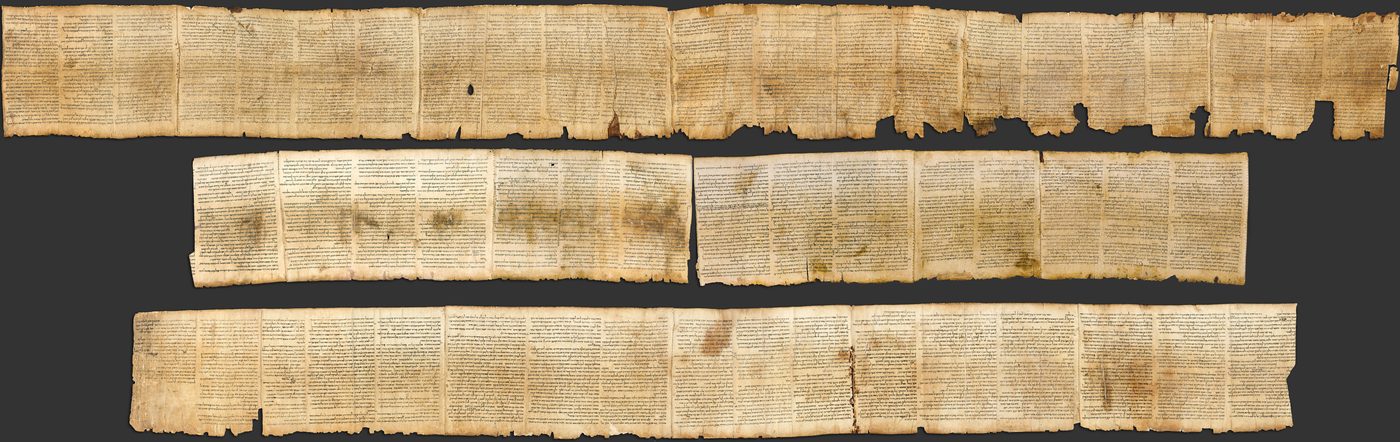
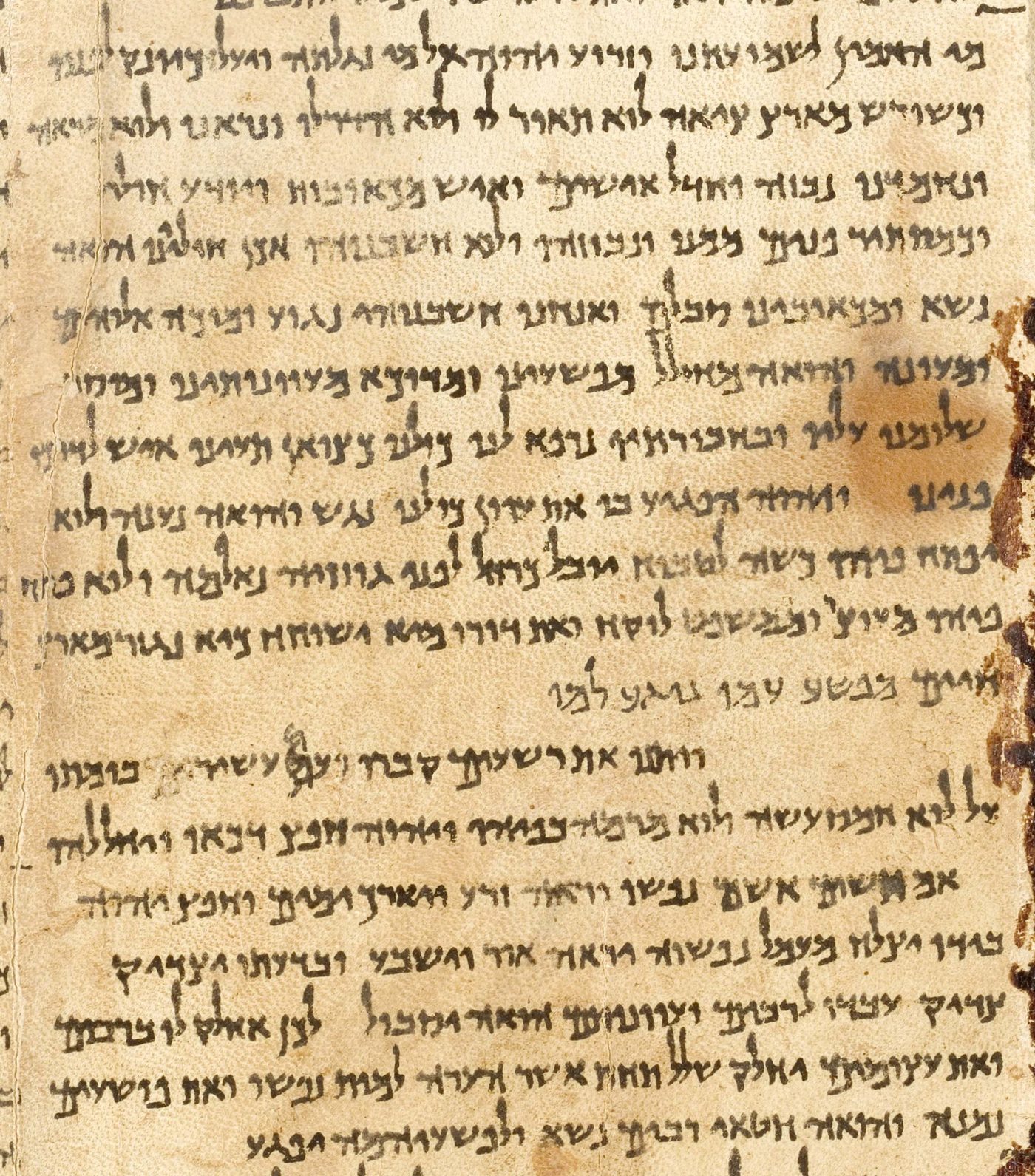
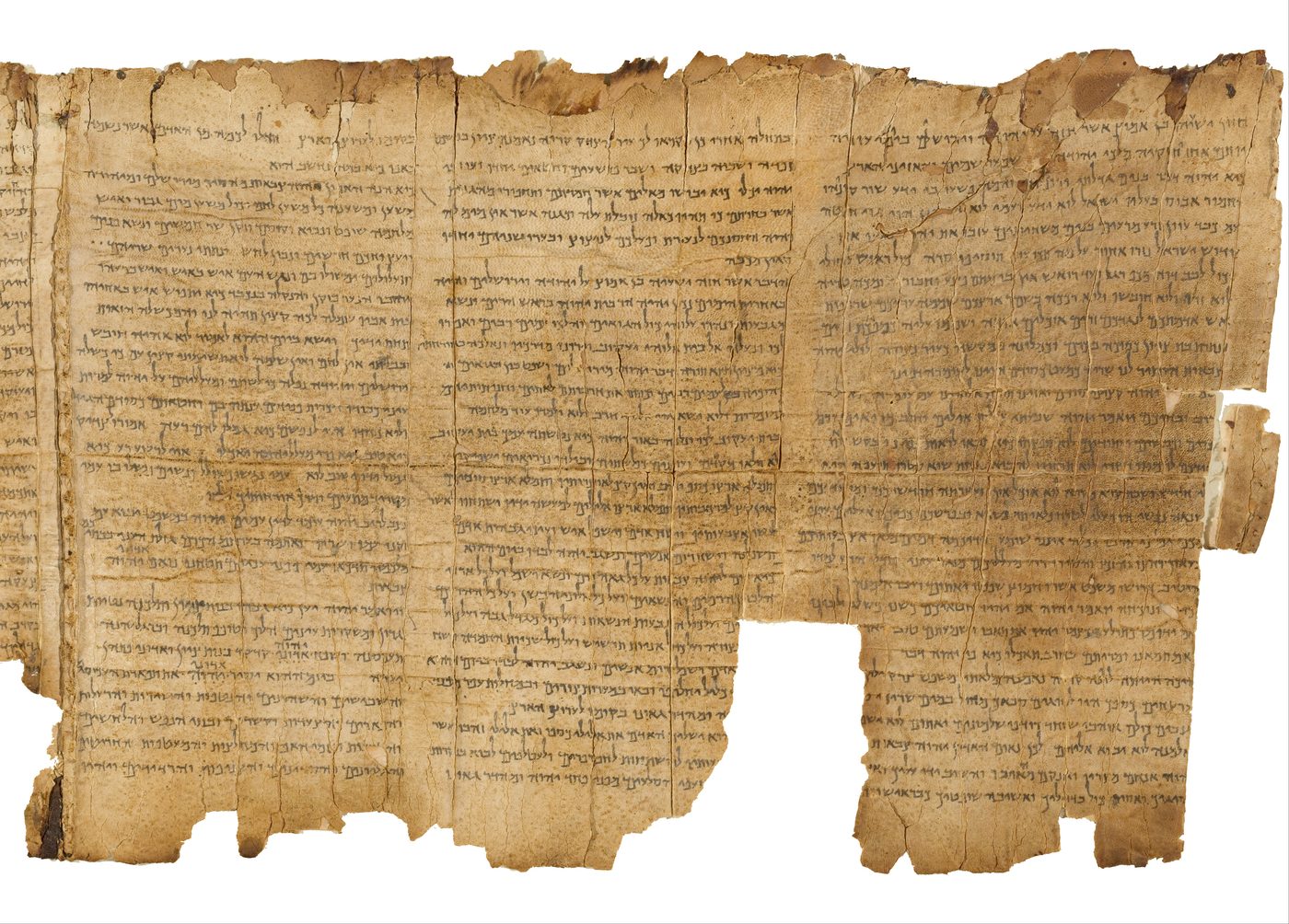
The Great Isaiah Scroll

Designation
1QIsa-a — the first scroll recovered from Cave 1, the first cave discovered (1947)
Date copied
about 125 BC — roughly 1,000 years older than the oldest previously known complete Hebrew copy of Isaiah
Size
24 feet long; contains all 66 chapters of the Book of Isaiah — the oldest complete copy of any biblical book ever found
Agreement
its Hebrew matches the traditional Masoretic Text (the Hebrew behind the King James Bible) about 95%; of its 2,600+ differences, the great majority are spelling
A second Isaiah scroll
A second, shorter copy of Isaiah (1QIsa-b) was found in the same cave and follows the traditional text even more closely

Notable variants: In a few famous places the scroll’s wording differs: in Isaiah 19:18 it reads “the City of the Sun” where the traditional text reads “the City of Destruction” (the NIV, CSB, NLT, and NRSV follow the scroll); and the second half of Isaiah 2:9 with all of 2:10 is absent from the scroll, though present in the traditional text and in other Qumran copies — scholars Martin Abegg, Peter Flint, and Eugene Ulrich judge those lines a slightly later addition to the book.

About these books

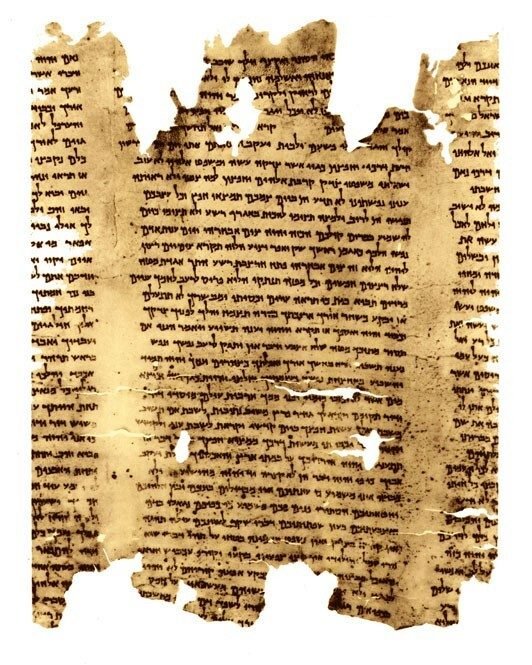
1 Enoch and Jubilees survive complete in the ancient Ethiopic (Ge’ez) Bible, but Hebrew and Aramaic fragments of both were found in the Qumran caves — eleven Aramaic copies of Enoch, fifteen Hebrew fragments of Jubilees — proving these books were read and treasured by the Dead Sea community two thousand years ago. The English here is R. H. Charles’s 1917 translation, in the public domain.

The caves gave us more besides: the Community Rule, the War Scroll, the Thanksgiving Hymns, the Damascus Document, and the Temple Scroll open a window onto the daily life, worship, and hopes of the Qumran community. Their standard modern English translations (Vermes, García Martínez, Wise-Abegg-Cook) remain under copyright — and this reader speaks only words that belong to everyone — so they are honored here in description, not in quotation. If public-domain or Creative Commons translations of these scrolls appear, they will be added to this page.

The English text on this page: the Isaiah passages are the King James Version (1611), public domain; 1 Enoch and Jubilees are R. H. Charles’s 1917 translations, public domain in the United States (via the Internet Sacred Text Archive). Photographs via Wikimedia Commons as credited above.